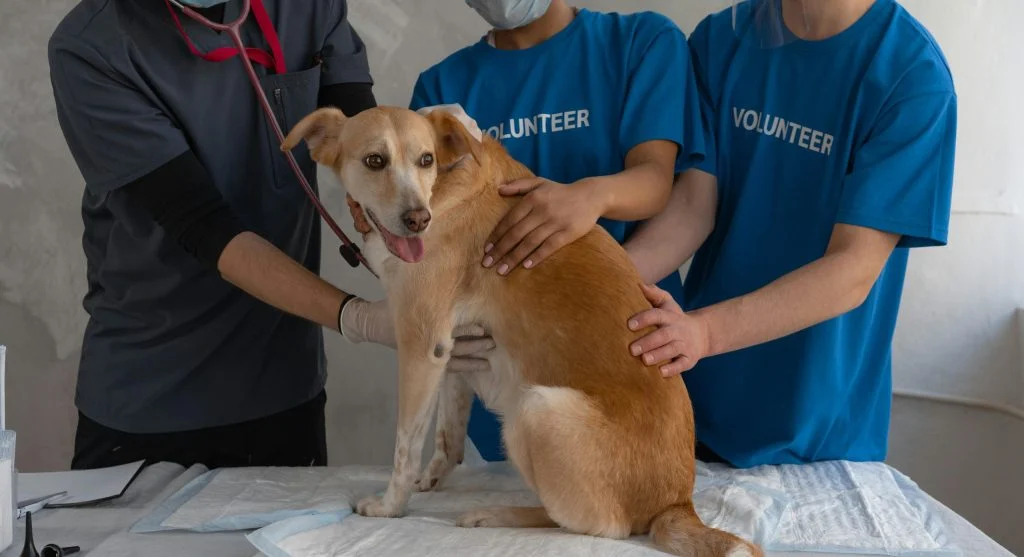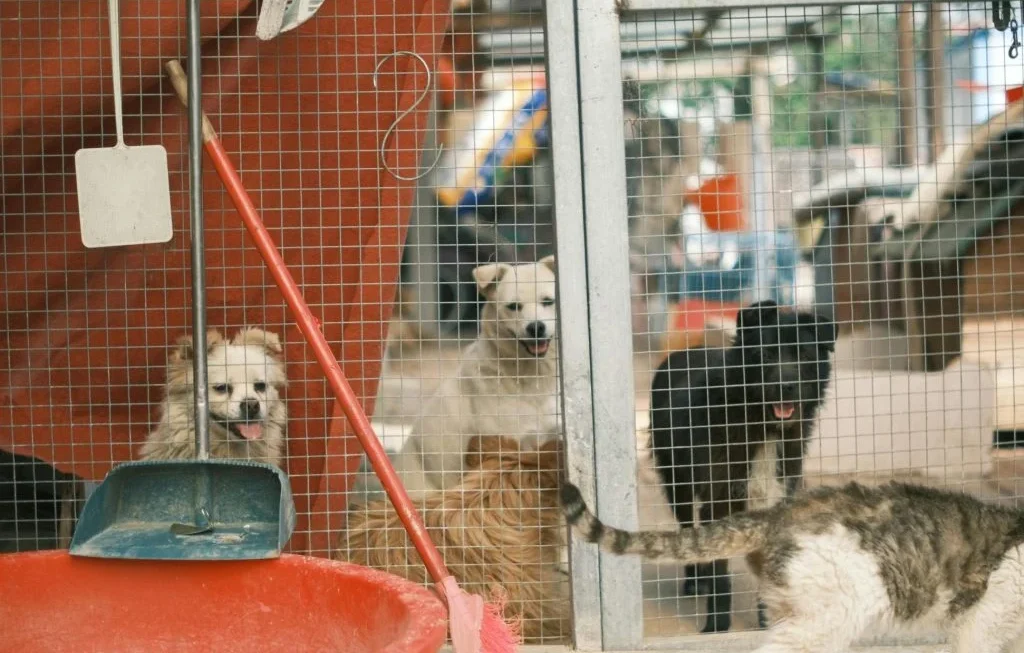
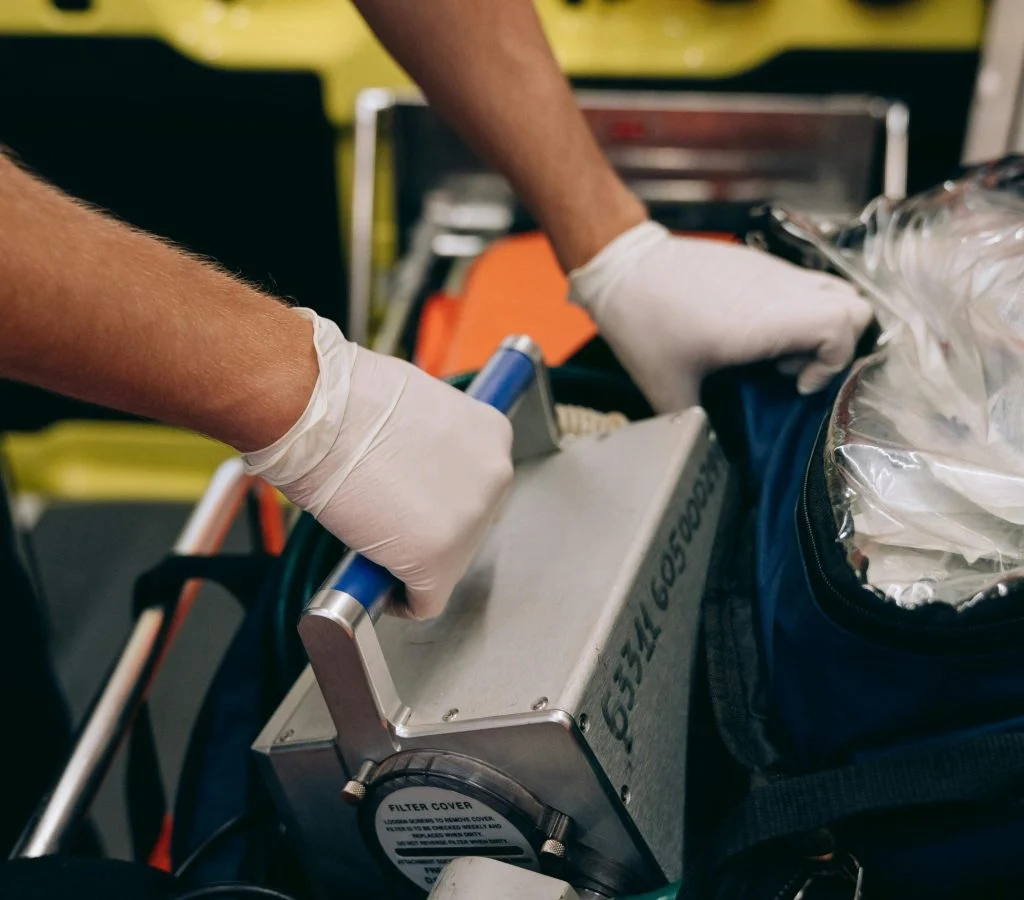
Pet safety experts often explain that basic knowledge can prevent situations from becoming worse.
1. Stay Calm and Assess the Situation
Remain calm and check your pet’s condition carefully.
Tip: Avoid sudden movements that may increase stress.
2. Handle the Pet Gently
Injured pets may react unpredictably.
Tip: Use slow and careful movements.
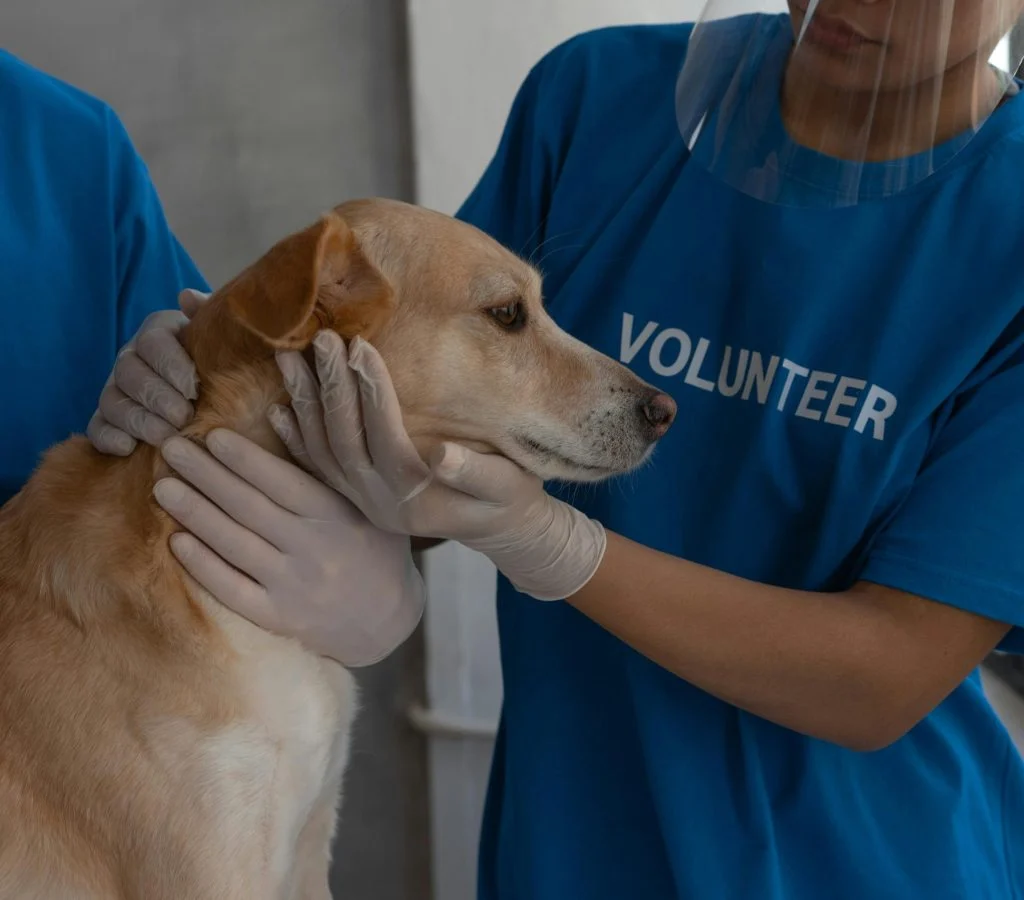
3. Control Minor Bleeding
Apply gentle pressure using clean material.
Tip: Keep the area clean and monitored.
4. Check Breathing and Responsiveness
Observe breathing patterns and responsiveness.
Tip: Seek help if anything seems unusual.
5. Keep the Pet Warm and Comfortable
Provide a safe and calm environment.
Tip: Use a blanket or soft surface if needed.
6. Avoid Giving Food or Water Immediately
In some cases, feeding may worsen the situation.
Tip: Wait until the condition is stable.
7. Seek Professional Help Quickly
Always contact a professional in serious situations.
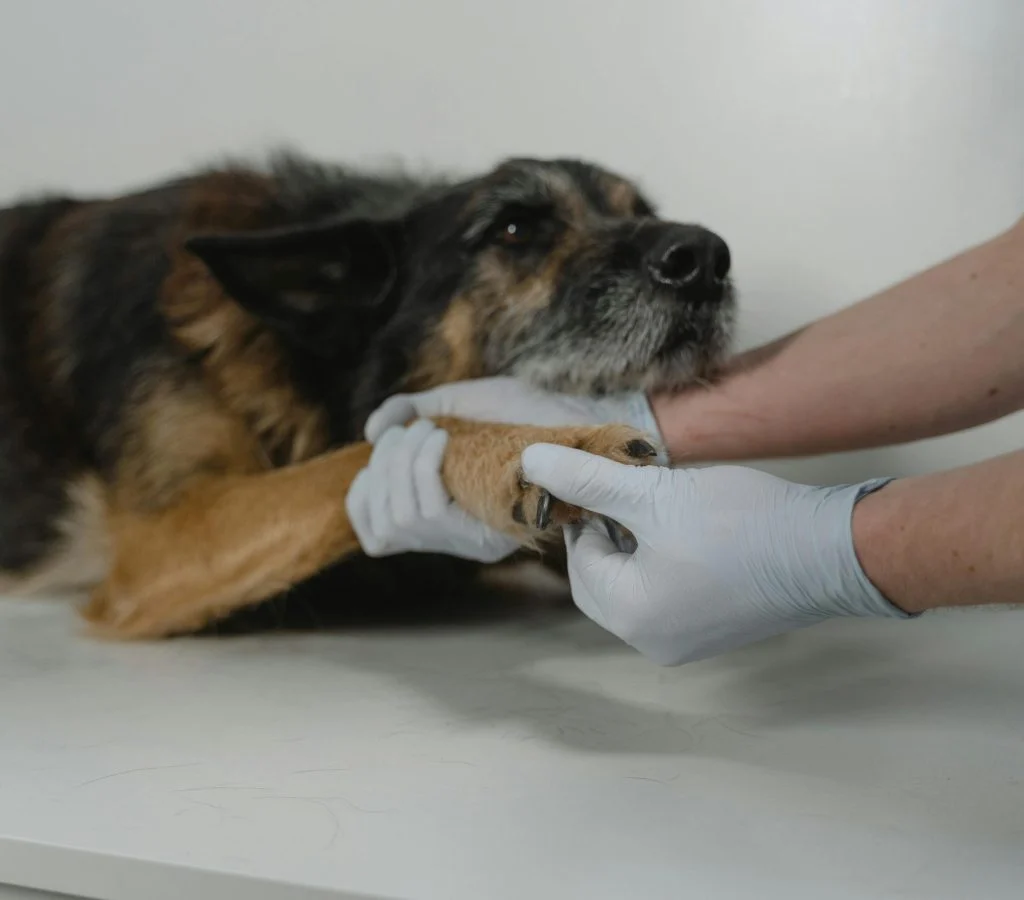
Credit: RDN Stock / Pexels
Basic First Aid Kit Checklist
- Clean cloth or bandage
- Water and safe container
- Comfort items like a blanket
- Emergency contact information
Frequently Asked Questions
Q: Why is pet first aid important?
A: It helps manage emergencies before professional help.
Q: Can first aid replace professional care?
A: No, it is only for temporary support.
Q: Should I stay calm during emergencies?
A: Yes, calm actions improve outcomes.
Q: What is the first step in first aid?
A: Assess the situation and ensure safety.
Key Takeaway
Knowing pet first aid tips helps handle emergencies safely and effectively. Quick action, calm behavior, and proper steps can protect your pet until professional help arrives.