

1. Pets Read Body Language
Body movements give pets important signals.
Fact: Posture and gestures help pets understand mood.
2. Pets Recognize Voice Tone
Pets respond more to tone than words.
Fact: Calm voices create positive reactions.

3. Pets Notice Daily Routines
Pets learn patterns quickly.
Fact: Repeated actions help them predict events.
4. Pets Detect Emotional Changes
Pets can sense mood shifts in owners.
Fact: Calm behavior often leads to calm pets.
5. Pets Respond to Eye Contact
Eye contact can signal trust or attention.
Fact: Gentle eye contact builds connection.
6. Pets Learn From Repetition
Consistent behavior strengthens understanding.
Fact: Repetition improves communication.
7. Pets Associate Actions With Outcomes
Pets connect actions to results.
Fact: Positive experiences reinforce behavior.
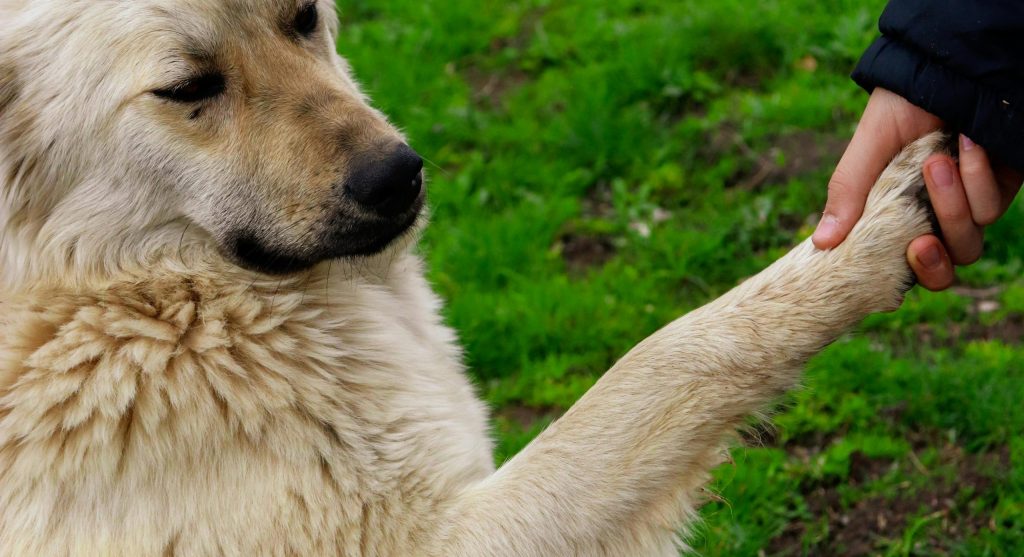
Why Understanding This Matters
Better understanding improves communication and strengthens the bond between pets and owners. It also helps prevent behavior problems.
Experts often highlight awareness as the key to better interaction.
Frequently Asked Questions
Q: Do pets understand words or tone?
A: Tone plays a bigger role than words.
Q: Can pets sense emotions?
A: Yes, many pets respond to emotional changes.
Q: How do pets learn behavior?
A: Through repetition and observation.
Q: Does routine affect understanding?
A: Yes, routines help pets predict actions.
Key Takeaway
Understanding how pets understand humans improves communication and strengthens the bond. Tone, routine, and behavior all play a key role.