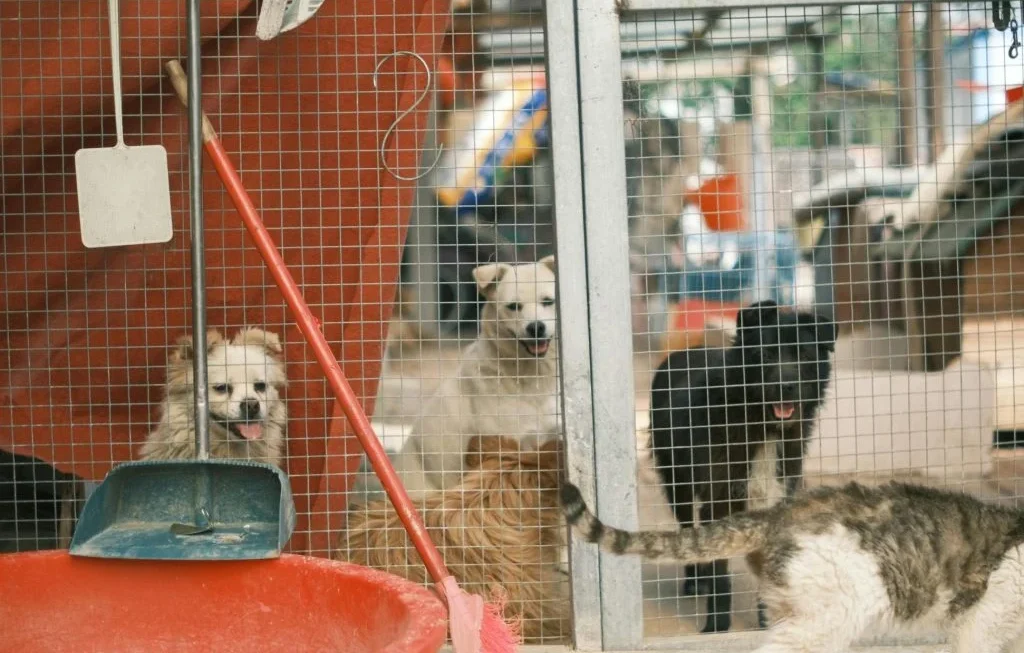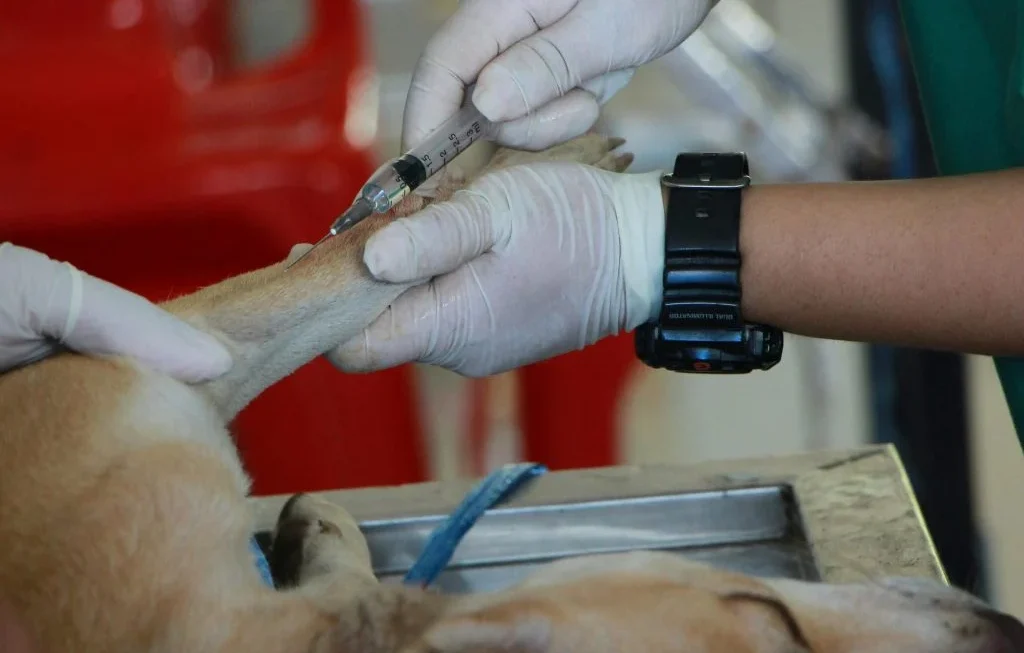
Pet safety experts often explain that prevention is the best way to protect pets in everyday environments.
1. Remove Small and Sharp Objects
Loose items can be dangerous if swallowed or stepped on.
Safety Tip: Keep small objects out of reach.
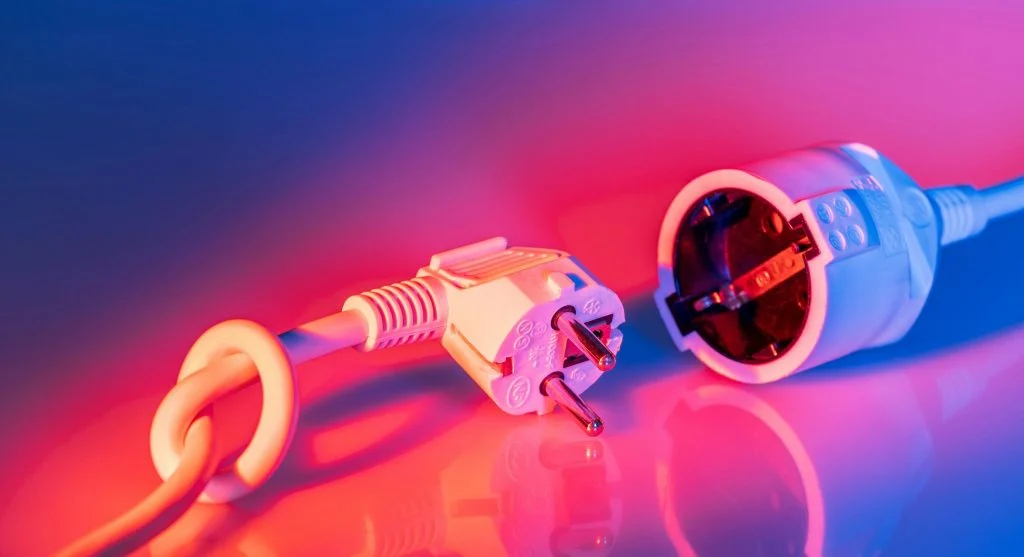
2. Secure Electrical Cords
Exposed cords can attract curiosity.
Safety Tip: Hide or cover cords safely.
3. Store Food and Chemicals Safely
Certain substances can be harmful.
Safety Tip: Keep items sealed and out of reach.
4. Block Unsafe Areas
Some spaces may not be safe for pets.
Safety Tip: Use barriers or close doors.
5. Secure Furniture and Decorations
Unstable items can fall or cause injury.
Safety Tip: Keep items stable and secure.
6. Provide a Safe Resting Area
Pets need a calm and secure place to relax.
Safety Tip: Create a quiet and comfortable zone.
7. Check Floors and Surfaces
Slippery or cluttered floors can lead to accidents.
Safety Tip: Keep pathways clear and stable.
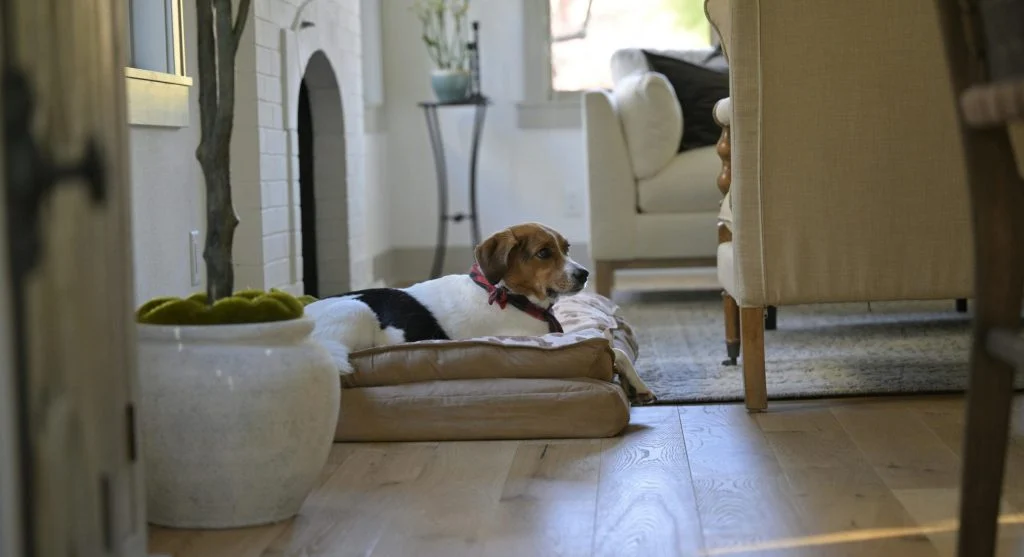
Why Home Safety Matters
A safe environment reduces risks and allows pets to explore freely. Prevention helps avoid unnecessary stress and injuries.
Experts often highlight simple safety adjustments as the most effective solution.
Frequently Asked Questions
Q: Is pet-proofing necessary?
A: Yes, it helps prevent common accidents.
Q: What is the biggest home risk?
A: Small objects and unsafe items within reach.
Q: Should all rooms be pet-proofed?
A: Yes, or access should be limited.
Q: Can simple changes improve safety?
A: Yes, small adjustments make a big difference.
Key Takeaway
Creating a pet proof home helps prevent accidents and ensures safety. Simple changes in daily environments can greatly reduce risks.