
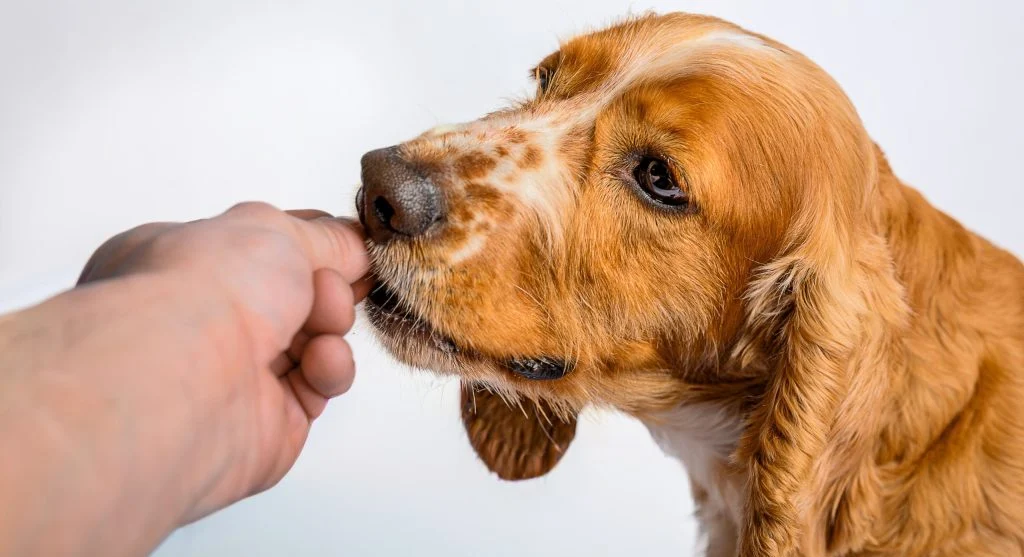
Many owners make the mistake of using punishment-based methods, which often make the situation worse. Pets respond better to consistency, guidance, and positive reinforcement. This guide will help you understand why bad habits form and how to correct them effectively without damaging your pet’s confidence or emotional well-being.
1. Understand the Root Cause of Behavior
Before trying to fix any bad habit, it is important to understand why it started in the first place. Pets do not develop behaviors randomly—there is always a reason behind their actions. It could be boredom, stress, lack of attention, or confusion about boundaries.
Identifying the root cause allows you to address the real problem instead of just reacting to the behavior. For example, a pet that chews excessively may simply need more stimulation, not punishment. Understanding this difference is the key to long-term improvement.
2. Replace Bad Habits with Positive Alternatives
One of the most effective training strategies is replacement rather than restriction. Instead of only stopping a behavior, provide a better alternative that fulfills the same need. This helps your pet redirect its energy in a positive way.
For example, if your pet chews on furniture, introduce appropriate toys and encourage their use. Over time, the pet will naturally shift toward the acceptable behavior without feeling restricted or stressed.

3. Stay Consistent with Rules
Consistency is one of the most important factors in training. If rules change frequently, pets become confused and may continue unwanted behavior. For example, allowing a behavior sometimes and stopping it at other times sends mixed signals.
Clear and consistent boundaries help pets understand what is expected. Everyone in the household should follow the same rules to avoid confusion and reinforce proper behavior.
4. Use Positive Reinforcement
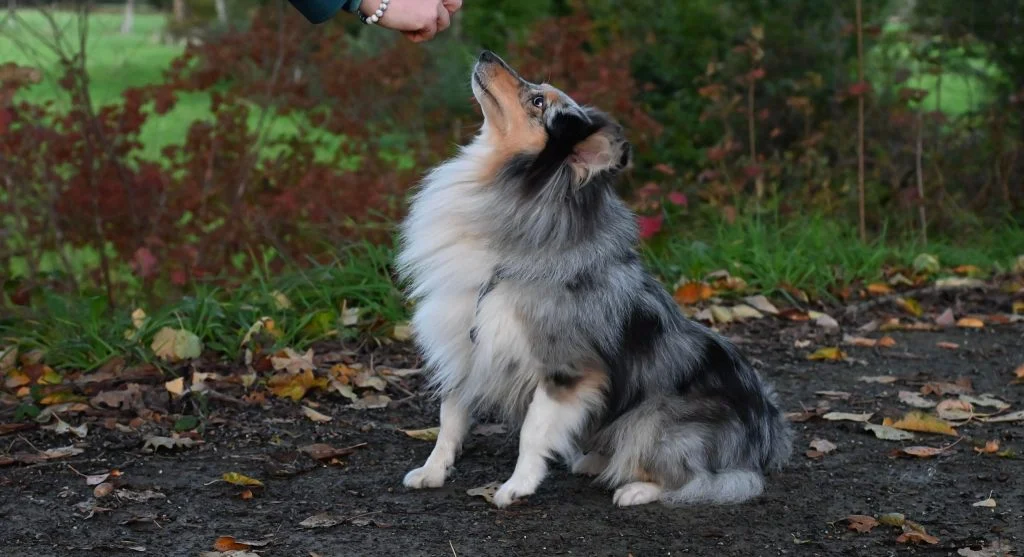
Rewarding good behavior is far more effective than punishing bad behavior. Positive reinforcement encourages your pet to repeat the correct actions because they associate them with positive outcomes.
Rewards can include treats, praise, or playtime. The key is to reward immediately after the desired behavior so your pet makes a clear connection between action and reward.
5. Avoid Punishment-Based Methods
Punishment may stop behavior temporarily, but it often creates fear, anxiety, and confusion. Pets do not always understand why they are being punished, which can damage trust and lead to more problems.
A calm and supportive approach is always more effective. Training should build confidence, not fear. Avoid shouting or aggressive reactions, as these can make the behavior worse over time.
6. Provide Mental and Physical Stimulation
Many bad habits develop due to boredom or excess energy. Pets need regular mental and physical engagement to stay balanced. Without it, they may create their own activities, which often become destructive or unwanted.
Daily play, training sessions, and interactive activities keep your pet engaged and reduce the chances of bad habits forming.
7. Be Patient and Allow Time
Behavior change does not happen overnight. It requires patience and consistent effort. Expect gradual improvement rather than immediate results. Each small step forward is progress.
Staying calm and persistent helps your pet feel safe during the learning process. Rushing or forcing change can lead to frustration for both you and your pet.
8. Monitor Progress and Adjust Approach
Every pet is different, and what works for one may not work for another. Regularly monitor progress and be willing to adjust your approach if needed. Flexibility helps you find the most effective method for your pet.
Tracking improvements also helps you stay motivated and focused on long-term results.
Why Correcting Habits Matters
Correcting bad habits improves not only behavior but also overall quality of life. It creates a safer environment, reduces stress, and strengthens the bond between pet and owner.
A well-trained pet is more confident, relaxed, and enjoyable to be around, making daily life easier for everyone.
Frequently Asked Questions
Q: Can bad habits be fixed at any age?
Yes, pets can learn new behaviors with consistent training.
Q: How long does it take to fix behavior?
It depends on the habit, but consistency speeds up progress.
Q: Is punishment effective?
No, it often creates fear and confusion.
Q: What is the best training method?
Positive reinforcement and consistency are the most effective.