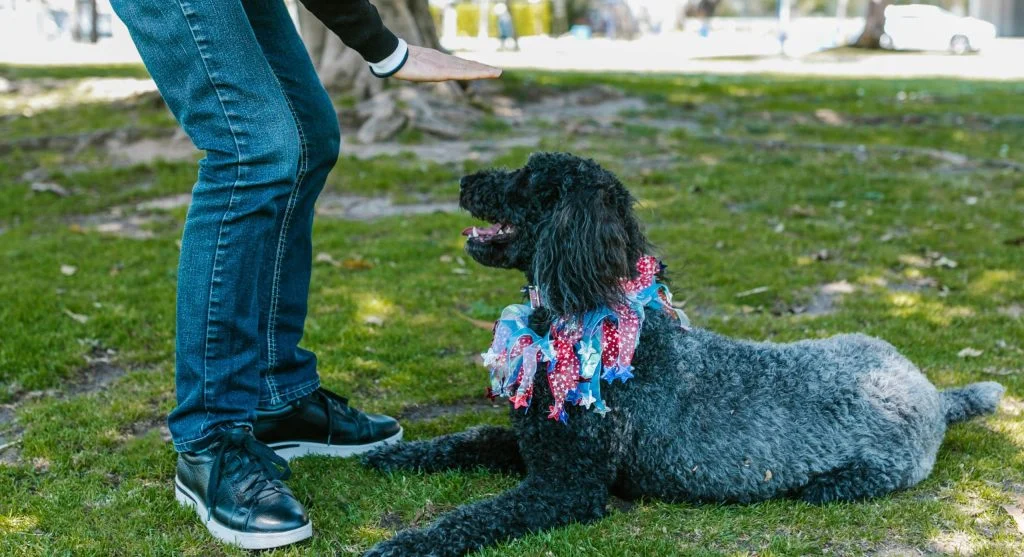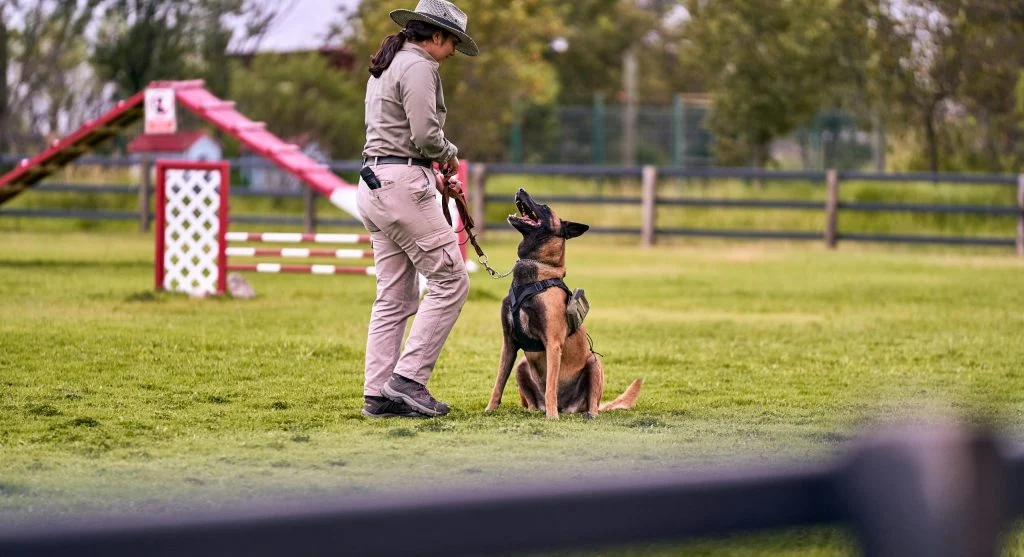
Why Pet Training Is Important for Every Pet
Training helps pets learn acceptable behavior and reduces confusion. It also improves safety by teaching commands that can prevent risky situations. Well-trained pets are often easier to manage in different environments.
Experts commonly note that training builds trust. When pets understand commands and routines, they feel more secure and confident.
Start with Basic Commands
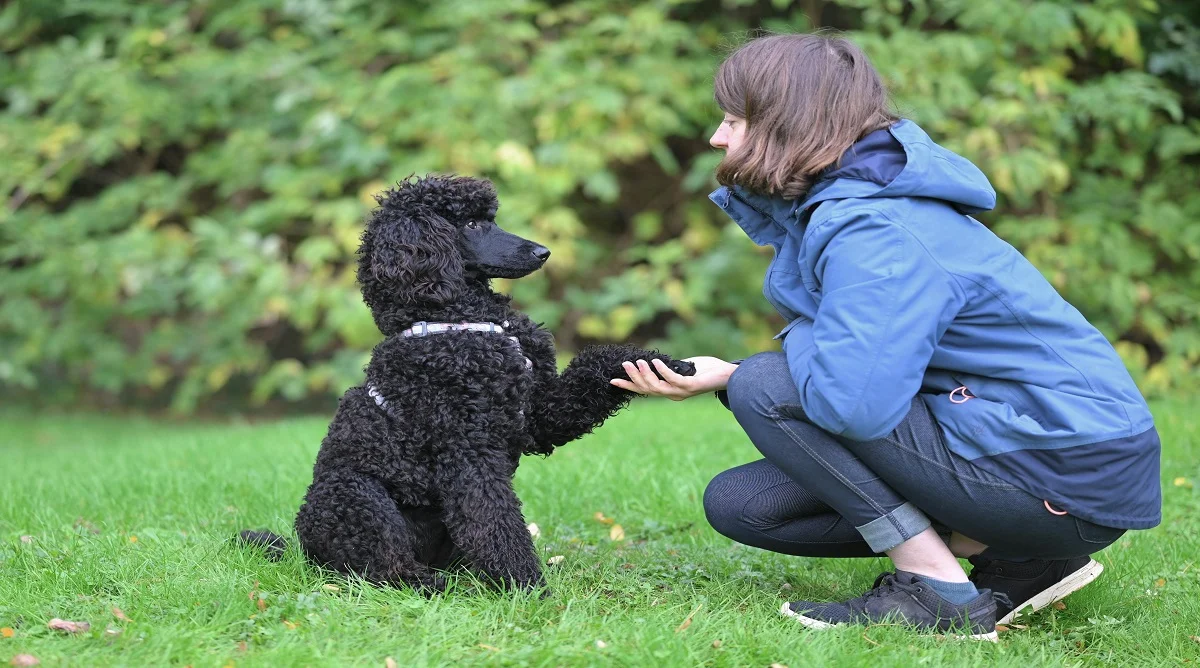
Begin training with simple commands such as sit, stay, and come. These basic instructions form the foundation for more advanced training. Repeating these commands regularly helps pets learn faster.
Training sessions should be short and focused. Many trainers recommend keeping sessions between 5 to 10 minutes to maintain attention.
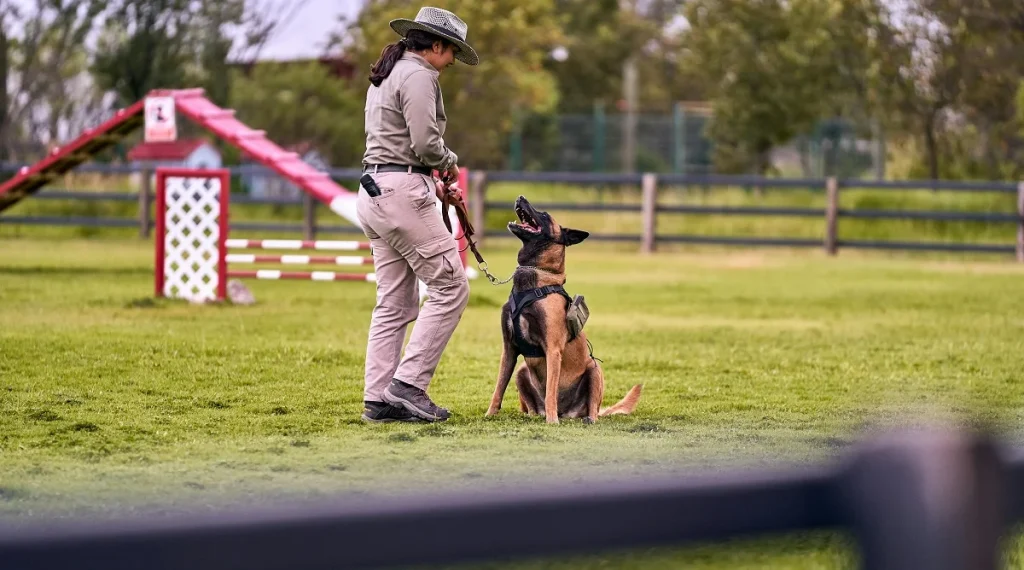
Credit: Willians Huerta / Pexels
Use Positive Reinforcement
Positive reinforcement is one of the most effective pet training tips. Rewarding good behavior with treats, praise, or playtime encourages pets to repeat that behavior.
Behavior specialists often advise avoiding punishment. Negative reactions can create fear and confusion, which may slow down the training process.
Be Consistent with Training
Consistency is key in any training routine. Using the same commands and rewards helps pets understand what is expected. Inconsistent training can lead to confusion and slower progress.
Experts recommend involving all family members in the same approach. This ensures the pet receives clear and consistent signals.
Set a Daily Training Routine
Adding training to a daily routine helps reinforce learning. Regular practice makes it easier for pets to remember commands and build good habits over time.
Short, repeated sessions are often more effective than long sessions. This keeps pets engaged and reduces frustration.
Common Mistakes to Avoid During Training
Some common mistakes include repeating commands too often, training for too long, or expecting quick results. Training takes time and patience.
Experts often suggest focusing on progress rather than perfection. Small improvements over time lead to long-term success.

Credit: Samson Katt / Pexels
Frequently Asked Questions
Q: How long does pet training take?
A: Training time varies depending on the pet, but consistency leads to steady progress.
Q: What is the best training method?
A: Positive reinforcement is widely recommended by experts.
Q: Can older pets be trained?
A: Yes, pets of all ages can learn with proper training methods.
Q: How often should I train my pet?
A: Daily short sessions are usually the most effective.