
Credit: Helena Lopes / Pexels
Foods That Pets Should Avoid Completely
Some foods are harmful to pets and should never be given. Items like chocolate, onions, garlic, and certain processed foods can lead to serious health problems. Even small amounts can be dangerous.
Veterinary professionals often recommend keeping these foods out of reach. Preventing access is one of the simplest ways to protect pets from accidental harm.
Understanding Portion Control and Feeding Habits
Feeding the right amount is just as important as choosing safe foods for pets. Too much food can lead to weight gain, while too little may cause weakness or nutritional deficiencies.
Pet care experts usually suggest following feeding guidelines based on the pet’s size, age, and activity level. Regular monitoring helps keep the diet balanced.
How to Build a Healthy Feeding Routine
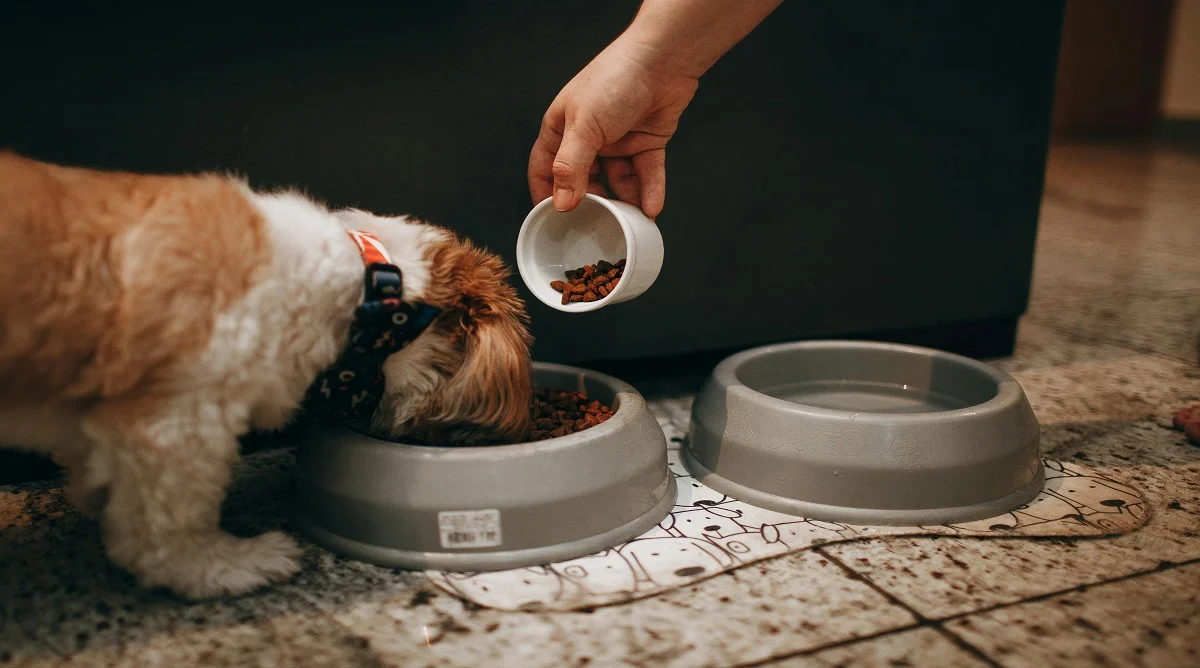
A good routine includes consistent meal times, access to fresh water, and proper portion sizes. Pets tend to do better with predictable schedules, which support digestion and overall health.
Experts also recommend avoiding sudden changes in diet. Gradual adjustments help prevent stomach issues and give pets time to adapt.
Signs of Food-Related Problems in Pets
Digestive issues like vomiting, diarrhea, or a loss of appetite can point to food-related problems. Changes in weight or energy levels may also signal that something is off with the diet.
Paying close attention to these signs can help catch problems early. If symptoms continue, it’s best to seek professional advice to review and adjust the pet’s diet.
Frequently Asked Questions
Q: Can pets eat human food?
A: Some human foods are safe in small amounts, but many are harmful. It is best to follow a pet-specific diet.
Q: How often should pets be fed?
A: Feeding schedules vary, but most pets do well with one to two meals per day.
Q: What foods are most dangerous for pets?
A: Chocolate, onions, garlic, and certain processed foods are among the most harmful.
Q: How can I tell if my pet’s diet is unhealthy?
A: Signs include weight changes, low energy, and digestive issues.