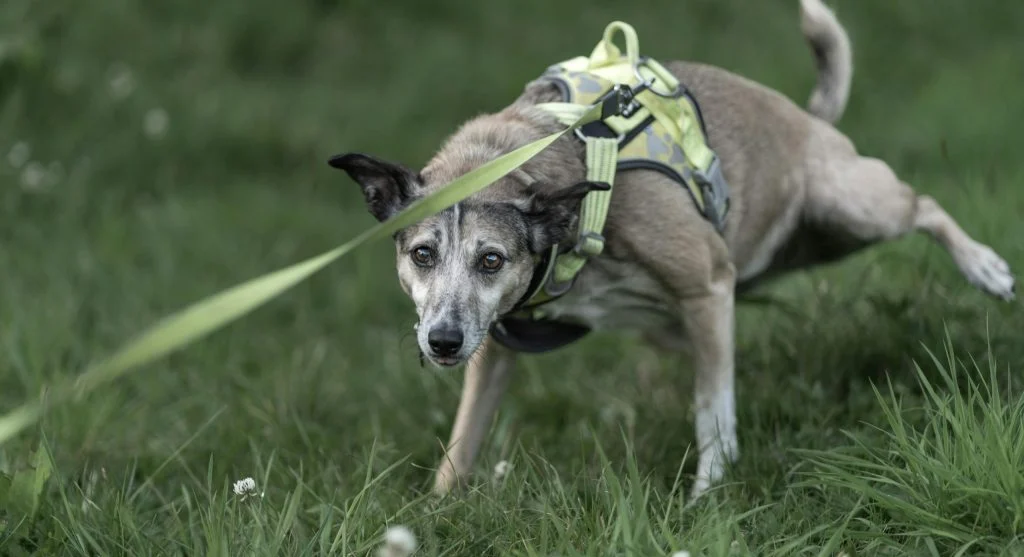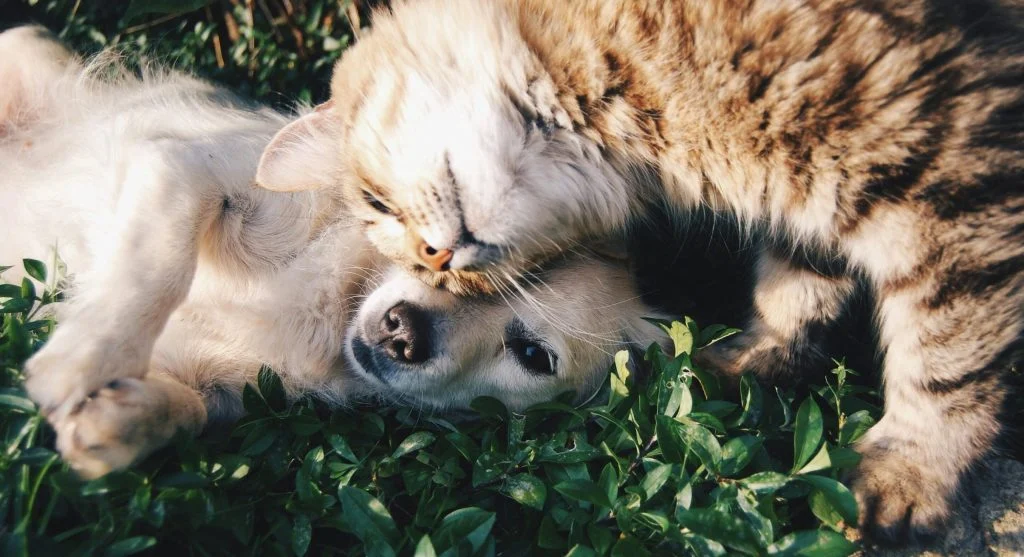
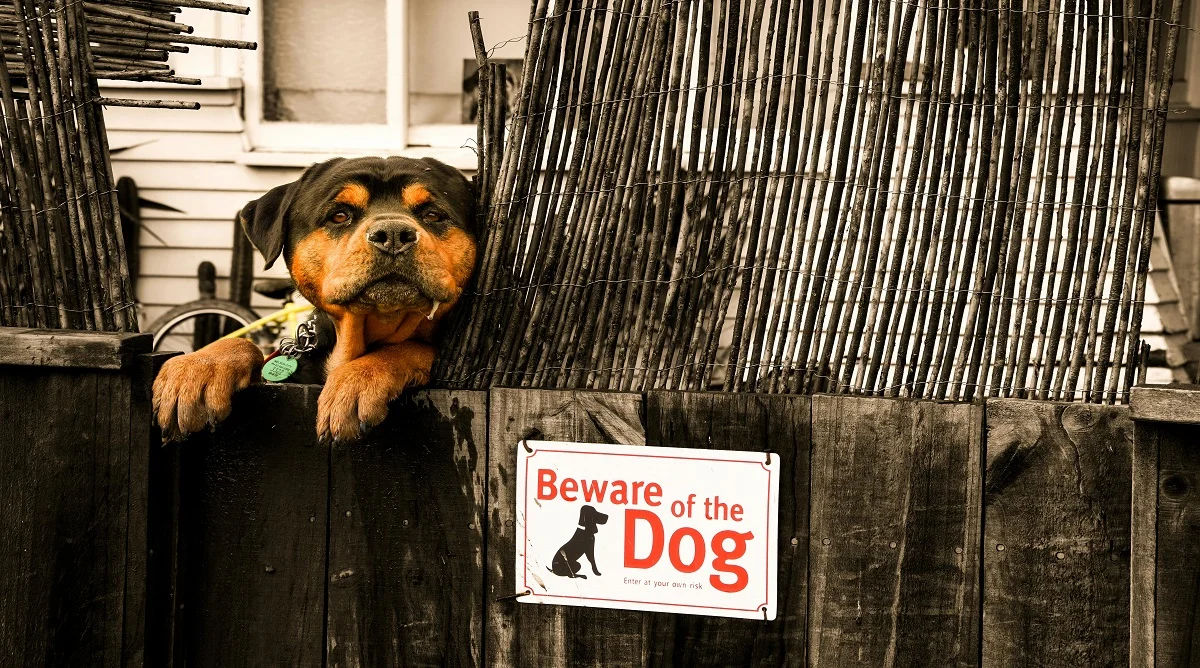
Many pet owners deal with behavior problems at some point. Issues like barking, aggression, or destructive habits can be frustrating, but they usually have clear causes. Understanding why the behavior is happening is the first step toward improving it.
Animal behavior experts often explain that most problems come from factors like stress, lack of training, boredom, or changes in the environment. With the right approach, these behaviors can usually be reduced over time.
1. Excessive Barking or Noise
Some pets become overly vocal, especially when they are bored, anxious, or seeking attention. This is one of the most common behavior issues.
Experts recommend identifying the trigger first. Responding calmly and using consistent training techniques can help manage the behavior.
2. Destructive Behavior
Chewing furniture or damaging household items often happens when pets have too much energy or not enough mental stimulation.
Providing regular exercise, interactive toys, and structured playtime can help reduce this behavior and keep pets engaged.

Credit: Sean Brannon / Pexels
3. Aggressive Behavior
Aggression can come from fear, stress, or lack of socialization. It’s one of the more serious behavior problems and should be handled carefully.
Experts usually recommend calm, controlled handling and gradual training rather than punishment, which can make the behavior worse.
4. Separation Anxiety
Some pets become anxious when left alone, leading to barking, pacing, or destructive actions.
Behavior specialists suggest building independence slowly, keeping departures low-key, and creating a comfortable, safe space for the pet.
5. Ignoring Commands
When pets ignore commands, it’s often due to inconsistent training or unclear signals.
Experts recommend using simple, consistent commands and rewarding correct behavior to reinforce learning.
6. Jumping on People
Jumping is usually a sign of excitement, but it can become a problem if not managed.
Training pets to stay calm during greetings, along with consistent responses from everyone in the home, can help correct this habit.
7. Hiding or Withdrawal
Pets that hide or withdraw may be stressed, anxious, or unwell. This behavior shouldn’t be overlooked, especially if it continues.
Experts recommend checking for changes in the environment and watching for other signs that might indicate discomfort or health issues.

Credit: Erik Mclean / Pexels
Frequently Asked Questions
Q: What causes pet behavior problems?
A: Stress, lack of training, and environmental changes are common causes.
Q: Can behavior problems be fixed?
A: Yes, most problems can be improved with proper training and consistency.
Q: Is punishment effective?
A: Experts recommend avoiding punishment and using positive reinforcement instead.
Q: How long does it take to fix behavior issues?
A: It depends on the pet and consistency, but progress improves over time.