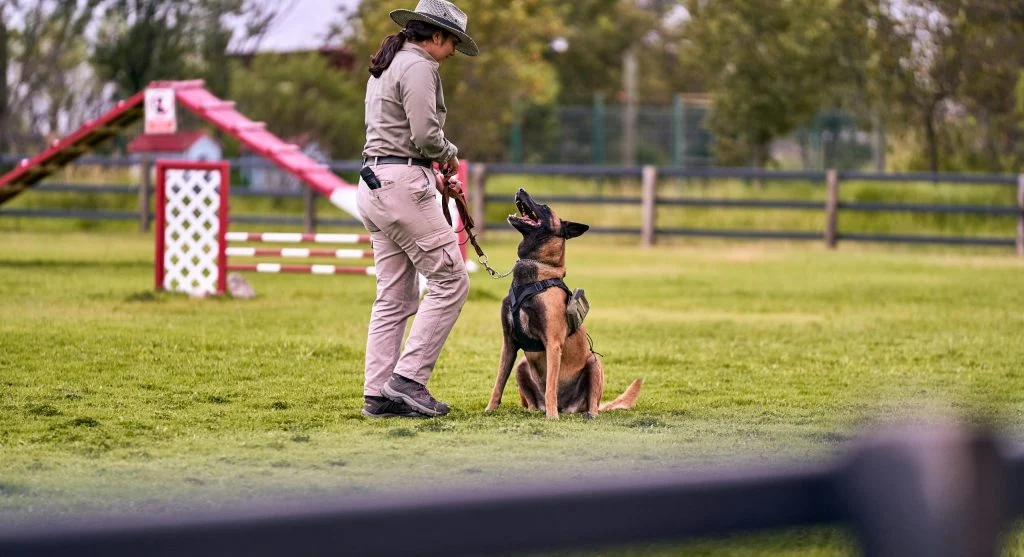

Pet training experts often explain that methods should focus on building trust and consistency. Choosing the right approach is key to success.
What Is Positive Training?
Positive training focuses on rewarding good behavior. This encourages pets to repeat desired actions.
Experts often recommend this approach for long-term improvement.
Pros of Positive Training
- Encourages trust and bonding
- Reduces stress and fear
- Improves learning through rewards
Cons of Positive Training
- Requires consistency
- May take time for results

What Is Negative Training?
Negative training focuses on discouraging unwanted behavior through correction.
Experts often advise caution when using this method.
Pros of Negative Training
- May produce quick results
- Can stop unwanted behavior immediately
Cons of Negative Training
- Can cause stress or fear
- May damage trust
- Less effective long-term
Which Method Works Better?
Most experts agree that positive training is more effective for long-term behavior improvement. It builds trust and encourages consistent learning.
Negative methods may provide short-term results but can create long-term issues.
Frequently Asked Questions
Q: Which training method is best?
A: Positive training is generally more effective long-term.
Q: Can negative training harm pets?
A: It may cause stress and affect trust.
Q: How fast does positive training work?
A: Results may take time but are more sustainable.
Q: Should I combine methods?
A: It is best to focus on safe and consistent approaches.
Key Takeaway
Understanding different pet training methods helps improve behavior effectively. Positive training builds trust and delivers better long-term results compared to negative approaches.