1. Check Energy Levels
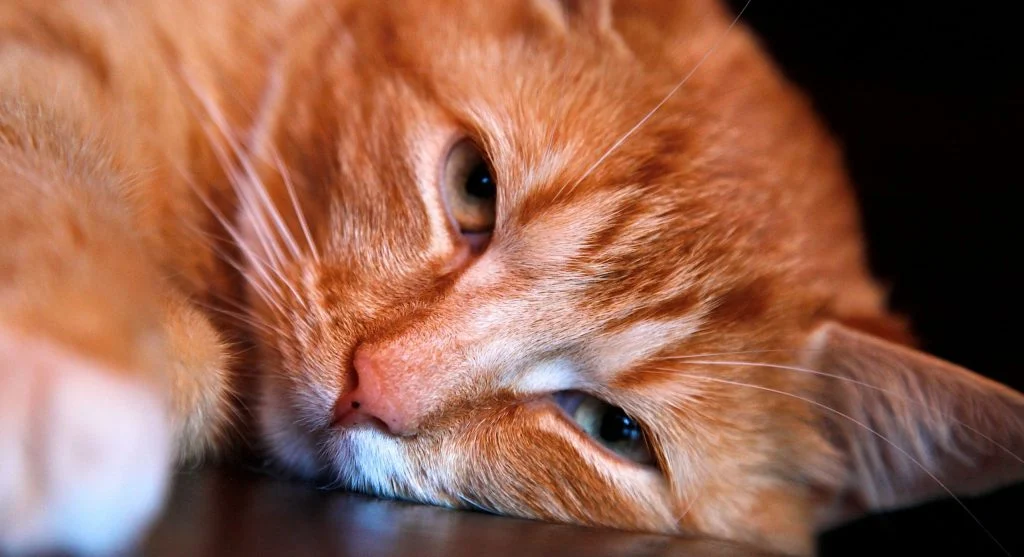
Energy changes can signal underlying issues.
Check: Normal activity and alertness.
2. Observe Eating and Drinking Habits
Changes in appetite can indicate health concerns.
Check: Consistent food and water intake.
3. Look at Coat and Skin Condition
Physical appearance reflects health status.
Check: Clean coat and normal skin.
4. Monitor Eyes and Nose
Clear eyes and nose are signs of good health.
Check: No unusual discharge or dryness.
5. Check Movement and Posture
Movement issues may indicate discomfort.
Check: Smooth and natural motion.
6. Observe Behavior Changes
Behavior is a key indicator of health.
Check: Normal interaction and mood.
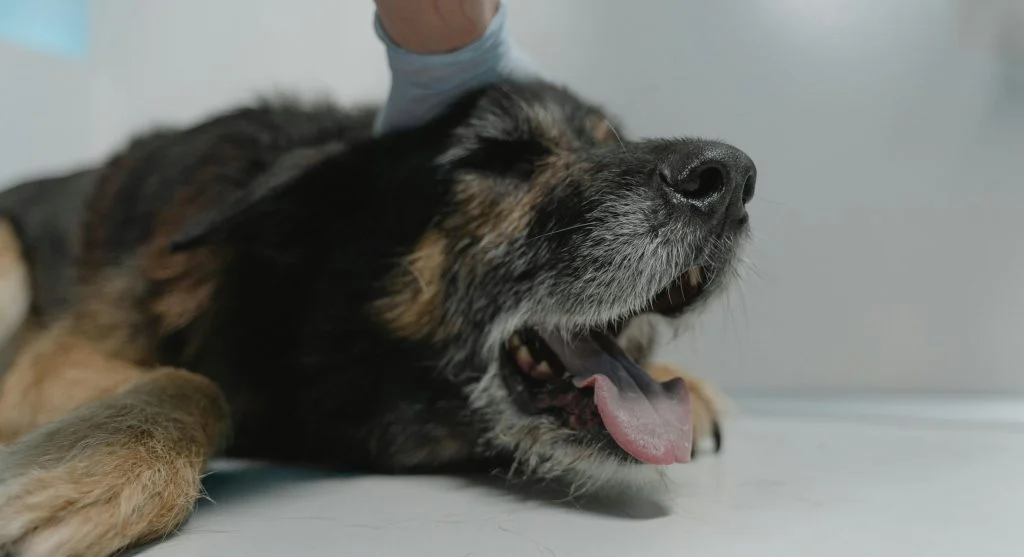
7. Listen for Breathing Patterns
Breathing changes should not be ignored.
Check: Calm and steady breathing.
Why Daily Checks Matter
Daily checks help identify small changes before they become serious problems. Early detection improves care and recovery.
Experts often highlight prevention as the foundation of long-term pet health.
Frequently Asked Questions
Q: How long does a daily check take?
A: Only a few minutes each day.
Q: Are daily checks really necessary?
A: Yes, they help detect early issues.
Q: What is the most important check?
A: Observing behavior and energy levels.
Q: Can small changes indicate problems?
A: Yes, early signs are often subtle.
Key Takeaway
Performing a daily pet health check helps detect problems early and maintain long-term health. Consistent observation is key to prevention.