
Understanding pet behavior is key to building a strong and healthy relationship with your pet. Animals communicate through actions, sounds, and body language, and recognizing these signals helps owners respond in the right way and avoid confusion.
Behavior experts often point out that pets don’t act randomly. Every action has a reason, whether it’s linked to comfort, fear, excitement, or instinct. Learning to recognize these patterns can improve everyday interactions and reduce behavior issues.
Why Understanding Pet Behavior Matters
When owners understand their pet’s behavior, they’re better able to meet its needs. Misreading signals can lead to stress or unwanted reactions, while clear understanding helps create a calm and supportive environment.
Animal behavior specialists often emphasize that communication builds trust. Pets feel more secure when their signals are recognized, which can lead to better cooperation and fewer problems over time.
Common Pet Behavior Signals and Their Meaning
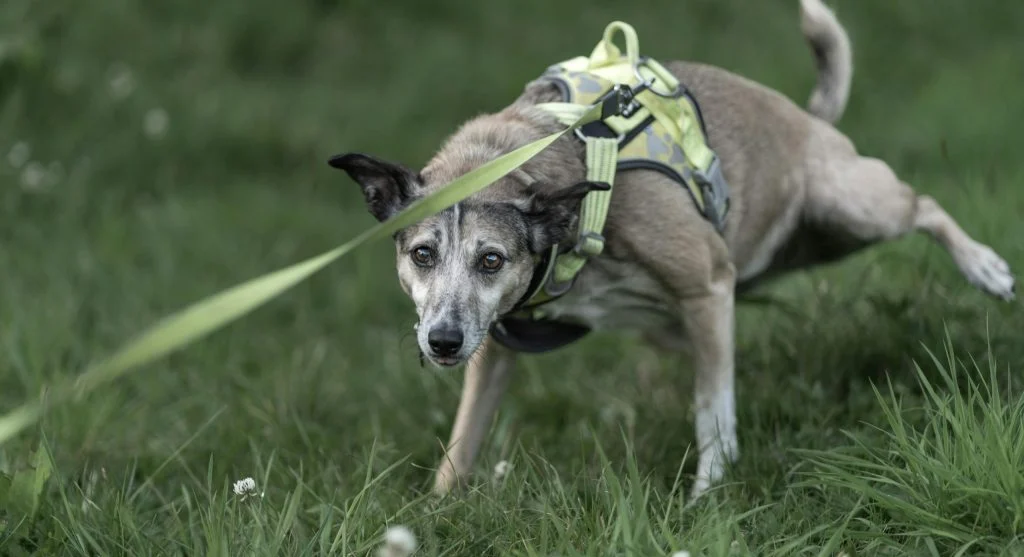
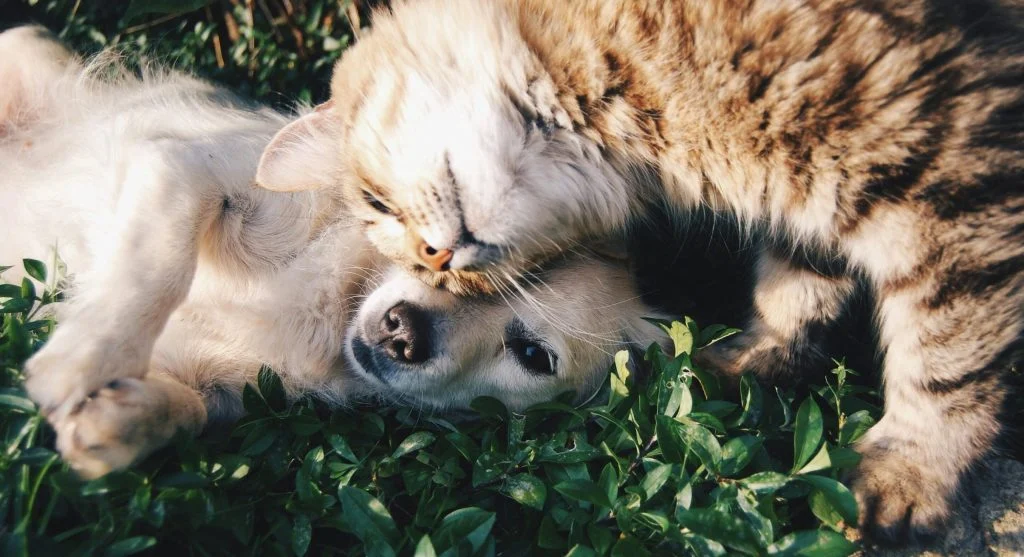
Pets rely heavily on body language to communicate. A wagging tail, relaxed posture, or playful movements often suggest comfort and happiness. In contrast, hiding, growling, or a stiff posture may signal fear or discomfort.
Experts recommend looking at patterns rather than isolated actions. A single behavior may not tell the whole story, but repeated signals can give a clearer picture of what the pet is feeling.

Credit: KATRIN BOLOVTSOVA / Pexels
Behavior Changes That May Indicate a Problem
Sudden shifts in behavior can be important warning signs. A pet that becomes aggressive, withdrawn, or unusually quiet may be dealing with stress or a health issue. These changes should not be ignored.
Veterinary and behavior experts often suggest paying attention to how long the change lasts. Short-term changes may pass on their own, but ongoing issues usually need closer attention.
How Environment Affects Pet Behavior
A pet’s surroundings play a major role in how it behaves. Loud noises, unfamiliar environments, or changes in routine can all trigger stress. Creating a stable and predictable setting helps pets feel more secure.
Experts often recommend keeping routines consistent and providing a safe space where pets can rest. This can reduce anxiety and support more positive behavior.
How to Respond to Pet Behavior Correctly
Staying calm is important when responding to pet behavior. Positive reinforcement—such as rewards and praise—helps encourage good habits. Harsh reactions or punishment can increase stress and confusion.
Behavior specialists often emphasize patience and consistency. Over time, steady training and small routine adjustments can lead to noticeable improvements.
Building Better Communication with Your Pet
Communication improves when owners pay close attention to their pet’s signals and respond appropriately. Spending time together, observing habits, and maintaining routines all help strengthen the bond.
Experts often note that understanding pet behavior is an ongoing process. As pets grow and change, their behavior may evolve as well.

Frequently Asked Questions
Q: Why do pets change their behavior suddenly?
A: Changes may be caused by stress, environment, or health issues.
Q: How can I understand my pet better?
A: Observe patterns, body language, and daily habits.
Q: Is aggressive behavior always serious?
A: It can be a warning sign and should be evaluated carefully.
Q: Can training improve behavior?
A: Yes, consistent training and positive reinforcement can help.