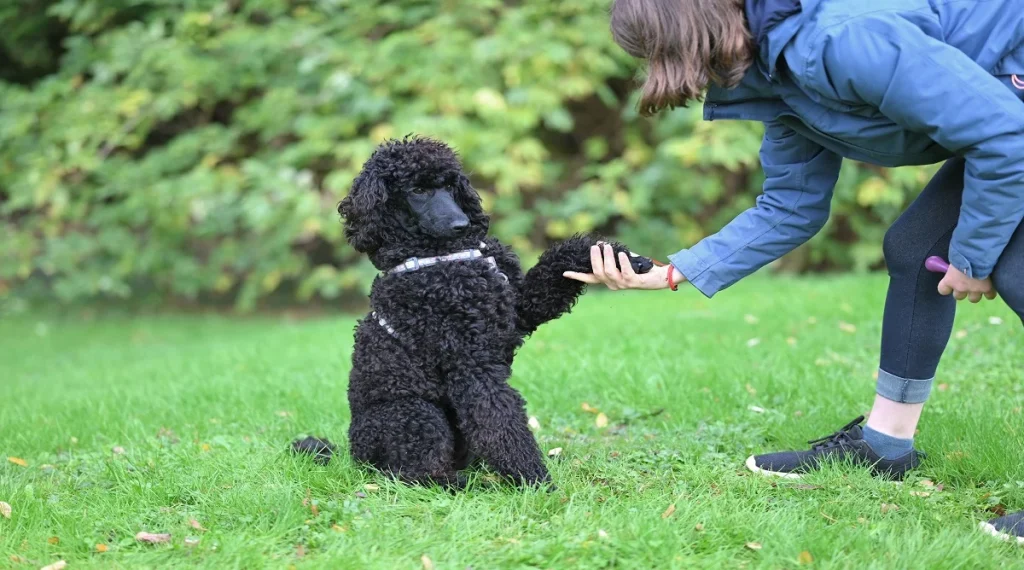
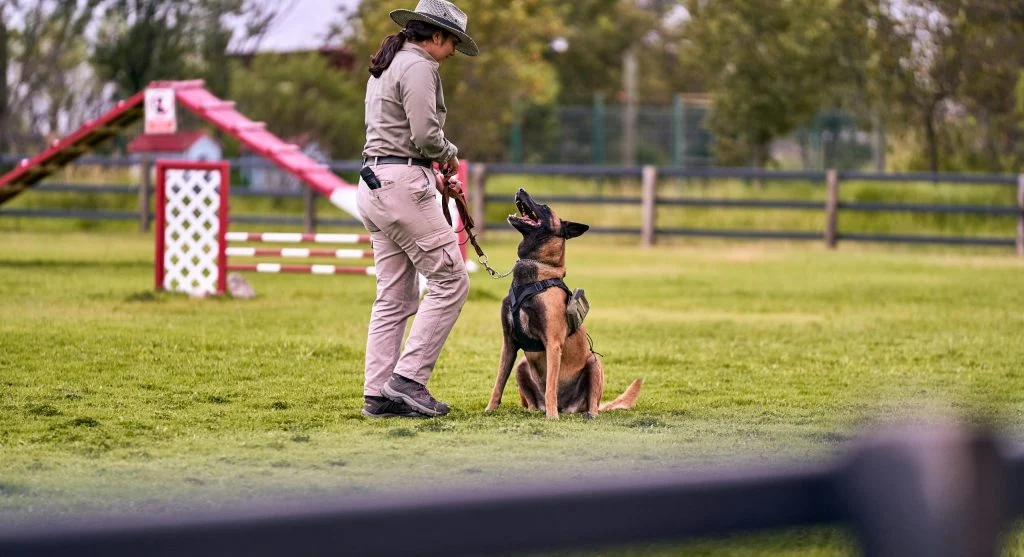
Many beginners run into common pet training mistakes that can slow progress and create confusion. Training works best when it’s clear, consistent, and patient. Avoiding these mistakes not only improves results but also strengthens the bond between pets and their owners.
Animal behavior experts often explain that pets learn through repetition and simple communication. When training methods are unclear or inconsistent, it can lead to frustration on both sides.
1. Inconsistent Commands
Using different words or signals for the same command is a common mistake. This can confuse pets and make it harder for them to understand what is expected.
Experts recommend choosing simple commands and using them consistently every time.
2. Training Sessions That Are Too Long
Long sessions can cause pets to lose focus and interest. Most pets respond better to short, focused training periods.
Behavior specialists often suggest keeping sessions around 5 to 10 minutes for better results.
3. Lack of Positive Reinforcement
Not rewarding good behavior is a common mistake. Pets respond much better when they receive treats, praise, or playtime after doing something correctly.
Experts widely recommend positive reinforcement because it encourages pets to repeat the desired behavior.
4. Using Punishment Instead of Guidance
Relying on punishment can create fear and confusion. It may also harm the relationship between the pet and the owner.
Behavior experts suggest focusing on guidance, redirection, and rewards rather than negative reactions.
5. Expecting Fast Results
Training takes time, and expecting quick results can lead to frustration. Every pet learns at its own pace.
Experts recommend staying patient and focusing on steady, gradual progress.
6. Ignoring Routine and Consistency
Irregular training schedules can make learning slower and less effective. Pets rely on consistency to understand what is expected.
Experts suggest making training part of a daily routine to build better habits.
7. Not Understanding the Pet’s Behavior
Overlooking natural behavior patterns can make training less effective. Understanding how pets think and react is key.
Behavior specialists recommend observing pets closely to better tailor training methods.
How to Improve Training Results
Improving training results comes down to a few simple but powerful habits: consistency, patience, and positive reinforcement. When pets clearly understand what is expected and are rewarded for good behavior, learning becomes much easier.
Creating a daily routine is especially helpful. Regular training times, even if short, build familiarity and make it easier for pets to remember commands. Consistency in words, tone, and actions also reduces confusion.
Understanding your pet’s needs and behavior plays a big role as well. Some pets learn quickly, while others need more time. Adjusting your approach based on their personality can lead to better results.
Experts often emphasize that progress happens gradually. Small improvements over time add up to strong, lasting habits, making training more effective and less stressful for both the pet and the owner.
Frequently Asked Questions
Q: What is the most common training mistake?
A: Inconsistent commands are one of the most common mistakes.
Q: How long should training sessions be?
A: Short sessions of 5 to 10 minutes are usually best.
Q: Is punishment effective in training?
A: Experts recommend avoiding punishment and using positive reinforcement instead.
Q: How long does training take?
A: It depends on the pet, but consistency leads to steady improvement.
Key Takeaway
Avoiding common pet training mistakes makes learning clearer and less stressful for both pets and owners. When training stays consistent, patient, and focused on positive reinforcement, pets are more likely to understand and repeat good behavior. These simple habits create better results over time and help build a stronger, more trusting relationship.