
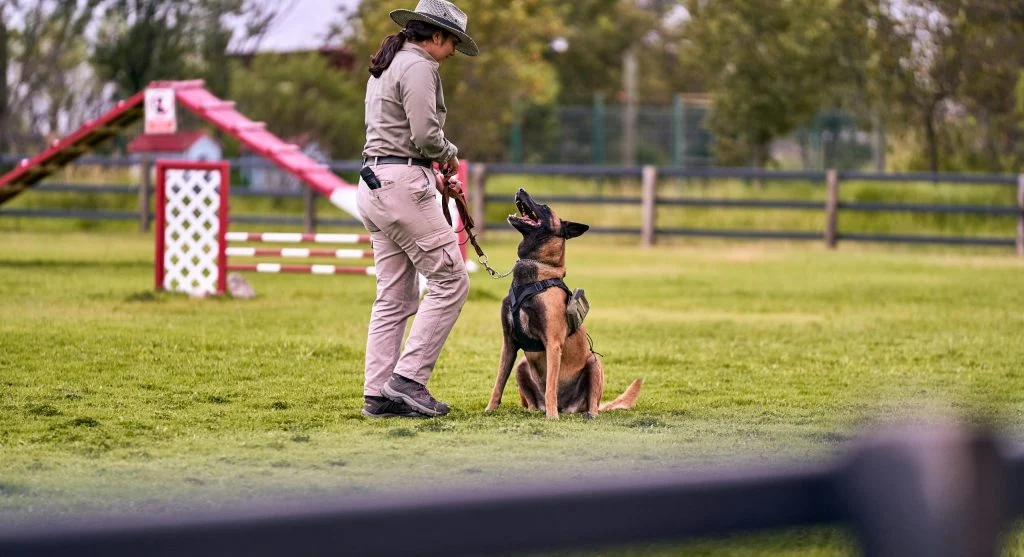
1. Start With Simple Commands
Basic commands help build a foundation.
Tip: Focus on one command at a time.
2. Use Consistent Signals
Consistency helps pets understand expectations.
Tip: Use the same words and actions.
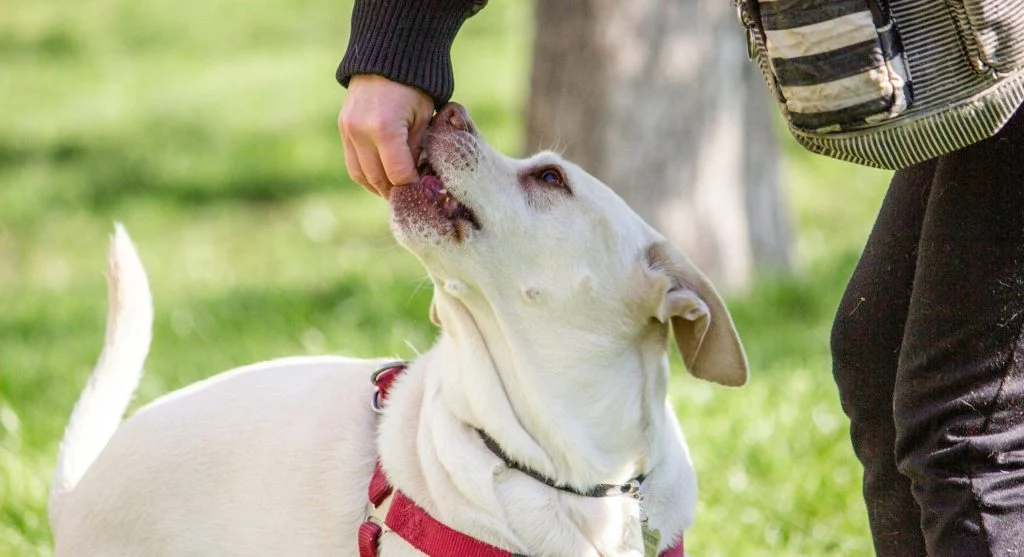
3. Keep Sessions Short
Long sessions can lead to frustration.
Tip: Train in short and focused sessions.
4. Reward Positive Behavior
Positive reinforcement encourages learning.
Tip: Reward correct actions immediately.
5. Avoid Punishment-Based Methods
Harsh methods can cause confusion or fear.
Tip: Focus on guidance instead of punishment.
6. Practice Daily
Regular practice improves results.
Tip: Include training in daily routines.
7. Be Patient and Consistent
Learning takes time and repetition.
Tip: Stay calm and persistent.

Why Training Matters
Training improves safety, behavior, and communication. It also strengthens the bond between pets and owners.
Experts often highlight consistency as the key to effective training.
Frequently Asked Questions
Q: When should training start?
A: As early as possible.
Q: How long should sessions be?
A: Short and focused sessions work best.
Q: Is consistency important?
A: Yes, it is the most important factor.
Q: Can all pets be trained?
A: Yes, with patience and proper methods.
Key Takeaway
Using the right pet training tips helps build better behavior and communication. Consistency, patience, and positive reinforcement are key to success.