1. Low Energy or Unusual Fatigue
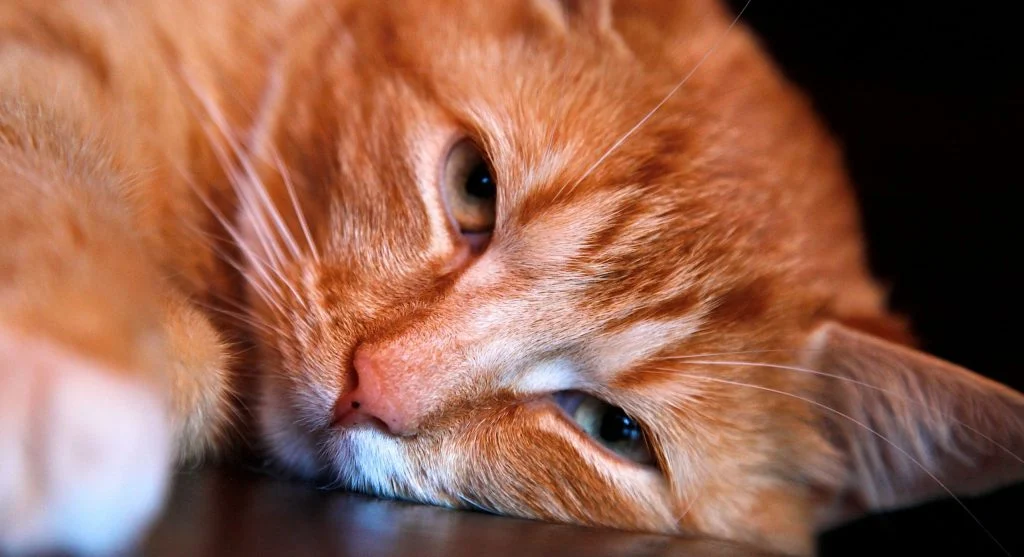
A sudden drop in energy is one of the earliest warning signs.
Watch for: Less play, more resting than usual.
2. Changes in Appetite
Eating less—or more than usual—can signal issues.
Watch for: Skipping meals or overeating.
3. Increased Thirst
Drinking more water than normal may indicate imbalance.
Watch for: Frequent trips to the water bowl.
4. Behavioral Changes
Mood changes often reflect discomfort.
Watch for: Irritability, hiding, or withdrawal.
5. Unusual Sleeping Patterns
Sleeping too much or too little can be a sign.
Watch for: Sudden changes in sleep habits.
6. Breathing Differences
Breathing should be steady and calm.
Watch for: Rapid or labored breathing.
7. Changes in Movement
Mobility issues should not be ignored.
Watch for: Limping, stiffness, or hesitation.
8. Coat or Skin Changes
Physical appearance often reflects health.
Watch for: Dull coat or irritation.
9. Digestive Changes
Digestive issues can indicate deeper problems.
Watch for: Irregular habits or discomfort.
10. Loss of Interest in Activities
A healthy pet usually shows curiosity.
Watch for: Lack of interest in play or interaction.

When to Take Action
If you notice multiple signs or persistent changes, it’s important to act quickly. Early response can prevent more serious issues.
Experts recommend monitoring patterns rather than isolated incidents.
Frequently Asked Questions
Q: Are small changes important?
A: Yes, early signs are often subtle.
Q: Should I wait and see?
A: No, repeated signs should be addressed.
Q: Do pets hide illness?
A: Yes, which is why observation is important.
Q: What is the biggest warning sign?
A: Sudden behavior or energy changes.
Key Takeaway
Recognizing pet unwell signs early helps prevent serious problems. Small changes in behavior, energy, and routine should never be ignored.